REVIEW · NEW YORK CITY
Manhattan Architecture Yacht Cruise
Book on Viator →Operated by Classic Harbor Line NYC · Bookable on Viator
A 2¾-hour boat ride beats the sidewalk scramble. This Manhattan architecture yacht cruise uses narration from the American Institute of Architects (AIA) to turn skyline viewing into a real building-by-building education. I particularly like the AIA NYC Chapter narration (often delivered by speakers like John, Jenny/Jennie, Ginny, and Doug), and I also like the easy “yes, I want a drink” perk: a complimentary beer, wine, or soda.
Your main consideration is weather and windows. If it’s windy, cold, or rainy, the cabin glass can get foggy or less clear for photos, so plan to use the open bow when you can (and accept that not every shot will be crisp through glass).
In This Review
- Key things that make this cruise worth your time
- Entering Chelsea Piers Pier 62 and choosing where to sit
- Price and value: what $113.23 buys you (and what it doesn’t)
- The route in plain English: how the loop hits every major water view
- Financial District and Woolworth Building: where the narration gets specific
- Statue of Liberty and the bridge-and-water photo wave
- Lower East Side and the Ellis Island area: history you can watch float by
- Chrysler Building up the East River: classic midtown viewing
- Upper West Side and the waterfront glide: where neighborhoods show up
- Northern Manhattan and the George Washington Bridge pass
- On-board comfort: yacht style, service, and where to be when it’s chilly
- The AIA narration: why this tour feels different from a generic harbor ride
- Photo tips that save your time: open bow vs. cabin glass
- Who should book this cruise, and who should skip it
- Should you book the Manhattan Architecture Yacht Cruise?
- FAQ
- How long is the Manhattan Architecture Yacht Cruise?
- Where does the cruise start and end?
- What’s included in the ticket price?
- Is food included?
- Does the cruise circle all of Manhattan?
- What sights are you likely to see from the boat?
- Are there open-deck and indoor viewing areas?
- Can I bring an animal?
- Is the tour good for children?
- What’s the cancellation policy and what happens with bad weather?
Key things that make this cruise worth your time
- AIA-led architecture narration from the NYC chapter during the full loop
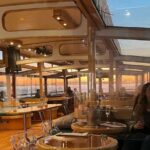
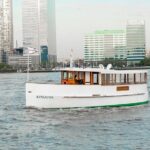
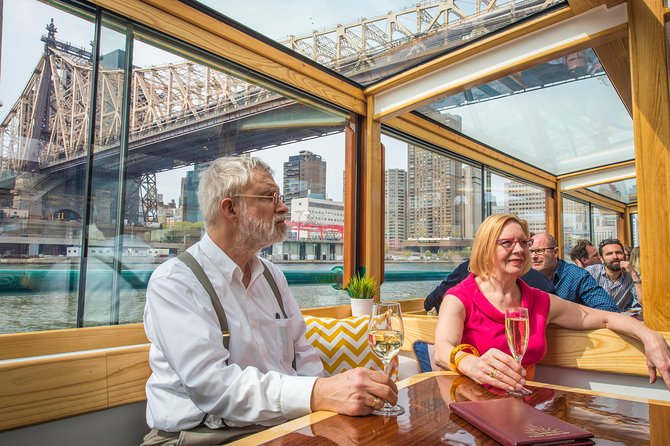
- 1920s-style yacht vibe with an observation cabin plus an open bow for photos
- All 18 bridges connecting Manhattan to outer boroughs and across to New York and New Jersey
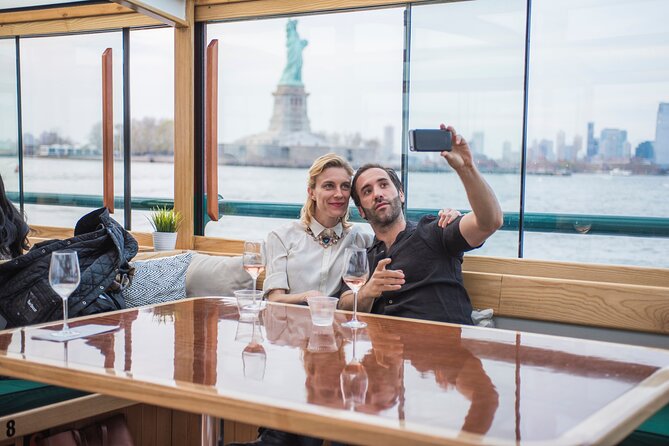
- Close-up Statue of Liberty and Ellis Island area views from the water
- One complimentary beverage included, with food and extra drinks available for purchase
- Assigned seating with options for private section or communal tables, capped at 80 travelers
Entering Chelsea Piers Pier 62 and choosing where to sit
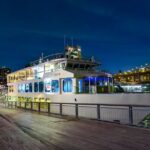
You meet at Classic Harbor Line, Pier 62 at Chelsea Piers. The whole format is simple: check in, board the yacht, then settle in while the narration starts doing its job—making neighborhoods and buildings click into place.
Onboard, you’ll have assigned tables. You can choose private section seating or communal seating, and that choice matters more than it sounds. Private seating tends to feel calmer when you’re trying to watch sightlines from the bow side without constant foot traffic.
If you care about views, aim to get onto the deck area as soon as the cruise starts moving. The best moments are usually the ones where you can switch between the observation cabin and the open bow as the route turns from one river stretch to the next.
Price and value: what $113.23 buys you (and what it doesn’t)
At about $113.23 per person for roughly 2 hours 45 minutes, you’re paying for three things: time on the water, guided architectural context, and a built-in comfort package.
The value shows up in the inclusions: you get AIA chapter narration, assigned seating, and one complimentary beverage (beer, glass of wine, or soft drink). That’s a rare setup in NYC where you don’t have to decide if paying more is worth it—you already get the core experience upfront.
What’s not included is also straightforward. Food is available to purchase onboard, and gratuity is recommended but not included. If you’re traveling on a budget, you’ll likely feel the “bar menu” pricing if you order multiple rounds or full meals—so consider keeping snacks light or bringing a simple snack only if you’re comfortable with the operator’s rules for outside food.
The route in plain English: how the loop hits every major water view
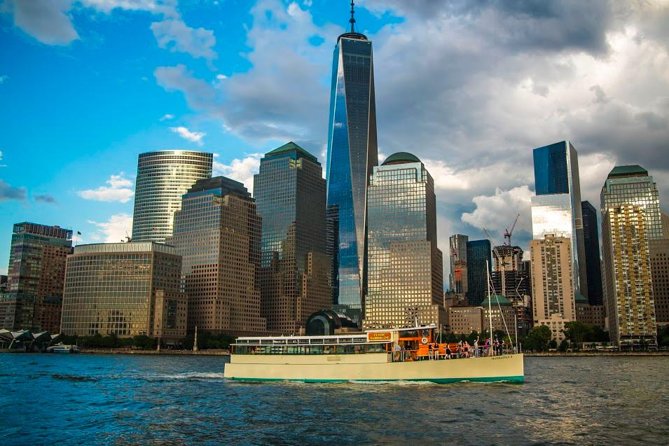
This cruise is designed as a full circuit around Manhattan. That means you’re not stuck with just one skyline angle. You get a moving “tour book” experience: Financial District → midtown icons → Lower East Side → bridges and riverfront → Upper West Side and northward crossings.
A few practical route notes help you set expectations. The cruise is built around passing significant bridges and river landmarks, but you should know that a full circumnavigation is not guaranteed. On rare occasions, the Spuyten Duyvil train bridge can be inoperable and may force a route adjustment, and river closures can also affect the path. If that happens, the operator says they’ll accommodate by altering the route with a double-back pattern.
In other words: this is usually a smooth loop, but NYC can be NYC—weather, bridge operations, and closures can change plans.
Financial District and Woolworth Building: where the narration gets specific
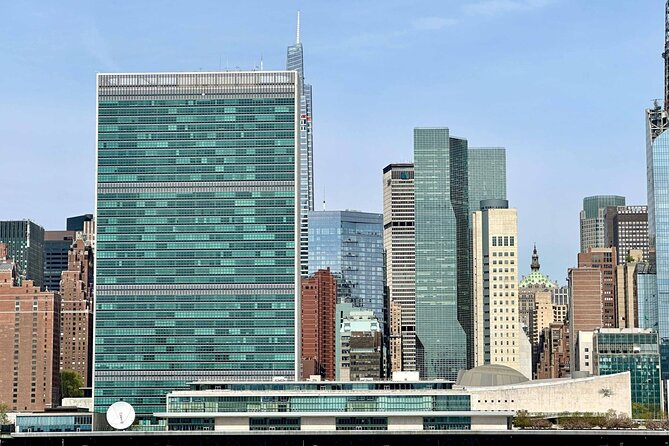
Early in the cruise, you’ll glide around Manhattan’s Financial District, with live commentary covering the buildings that shape that skyline. This is the part that feels like architectural “orientation.” Even if you know the basics of Wall Street-era development, the guide’s framing helps you see why certain buildings look the way they do and what they were meant to signal.
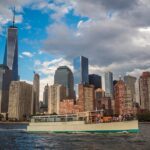
One of the named moments is the Woolworth Building. From the water, tall stonework and vertical ornamentation read differently than they do on land, because the shoreline and street grid shift behind the facade. You’ll get the storytelling while you’re seeing the scale, which is the key combo this cruise is selling.
A nice benefit here: you’re learning while you’re moving, so you don’t have to choose between scenic time and lecture time. The narration stays on during the ride, and the boat keeps your pace gentle.
Statue of Liberty and the bridge-and-water photo wave
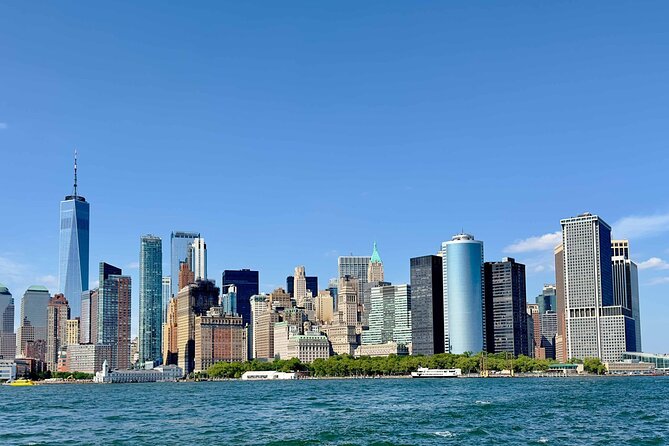
As you head along the route, you get up-close views of the Statue of Liberty. You can take photos from either the observation cabin or the open bow, and the open bow is often where you’ll want to be if the glass clarity isn’t perfect.
This is also a section where the scenery changes fast. One minute you’re looking at the harbor edge and tall silhouettes; the next you’re watching the city’s waterfront neighborhoods slide by. It’s one of those stretches where you feel like you’re seeing the island shape rather than just the buildings.
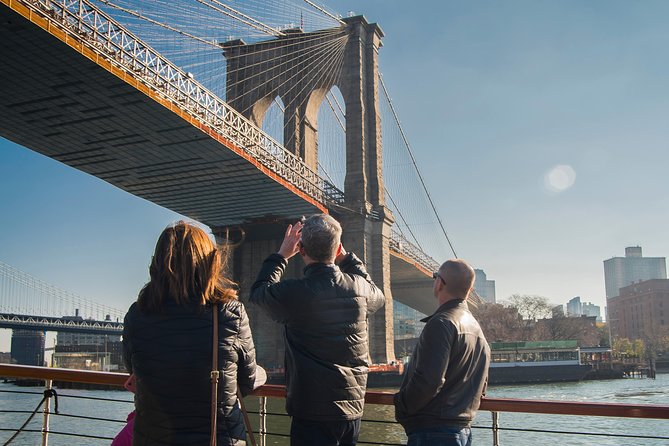
Then comes the big bridge moment: the cruise includes passing under all 18 bridges that connect Manhattan to other boroughs and across to outer areas in New York and New Jersey. You’ll go by major names like the Brooklyn, Manhattan, and Williamsburg Bridges, and the narration ties them back to what you’re actually seeing—movement, access, and the way infrastructure changed the city’s edges.
Lower East Side and the Ellis Island area: history you can watch float by
Later, you’ll cruise past the Lower East Side, again with live commentary about the buildings and development in that part of Manhattan. This is where the architecture talk can become more than “pretty towers.” The guide’s job is to connect styles and building choices to the way people used the area.
You’ll also see a historic landmark from the water and get that close harbor experience that many land tours can’t replicate. The overall tour vibe is built around getting near the Ellis Island and Statue of Liberty area, so you can watch that waterfront story play out from the river instead of from a distant viewpoint.
If you like context—immigration-era geography, harbor planning, and how the waterfront shaped movement—this is a strong part of the loop. If you’re only chasing modern skyline glamour, it can still be worth it, because the island’s waterfront has its own rhythm and scale.
Chrysler Building up the East River: classic midtown viewing
The Chrysler Building is another named stop highlight, and it’s a good one to remember because it’s one of Manhattan’s most “recognizable” towers. Seeing it from the East River side gives you a different angle than you’d get from most streets or parks.
The cruise keeps going along the East River, and the guide continues connecting buildings to the stories behind them—what got built, when, and how those structures fit into the larger city picture. If you’re the kind of person who likes to understand what you’re looking at before moving on, this section delivers.
One more practical point: since you’ll likely be outside at least some of the time for photos, dress for the water. Even when the boat interior is comfortable, wind off the river can make you rethink your outfit fast.
Upper West Side and the waterfront glide: where neighborhoods show up
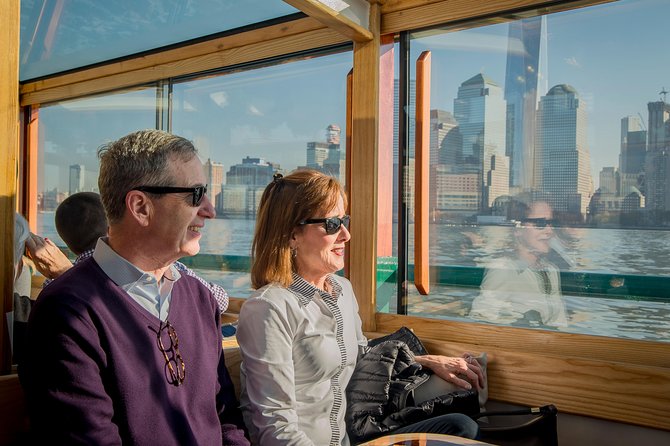
As you continue, you’ll cruise along the Upper West Side, with narration about historic sites plus the mix of older structures and newer buildings along the waterfront.
This stretch feels less like “tourist icon time” and more like neighborhood viewing from the waterline. You start to notice edges: how parks and waterfront access create breathing space, and how new construction fits into older patterns.
If you’re the kind of traveler who gets tired of crowds and constant walking, this is a good payoff moment. The boat rhythm slows the day down. The city keeps moving behind you, but you’re not doing step-count math.
Northern Manhattan and the George Washington Bridge pass
As you reach the northern part of Manhattan, you’ll pass under the George Washington Bridge, the major connection between Manhattan and New Jersey. Watching that bridge from the water isn’t like seeing it from a bus window. The geometry feels larger and more intentional when you’re sitting below and to the side of the structure.
This segment tends to stick with people who like big-scale infrastructure. Bridges are functional, but they also shape how a city grows. The narration is there to help you connect the visual to the why.
If you’re prone to getting cold, this is a good time to check your layers. The northern harbor can feel sharper in winter weather, and you’ll want to be comfortable enough to stay outside for photos.
On-board comfort: yacht style, service, and where to be when it’s chilly
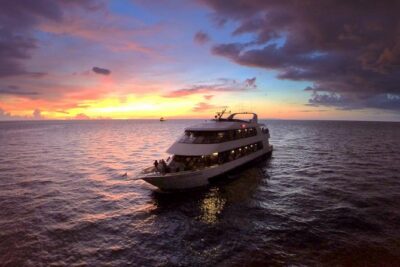
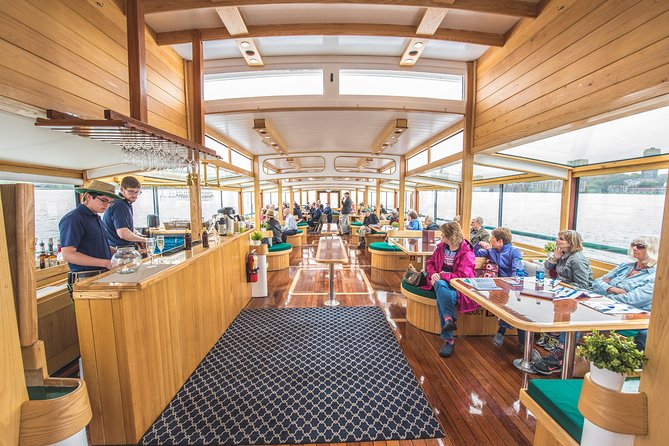
This cruise uses a 1920s-style yacht feel, with an observation cabin and open bow options. On cold days, the cabin can be a lifesaver—especially when you’re wearing more layers than you planned.
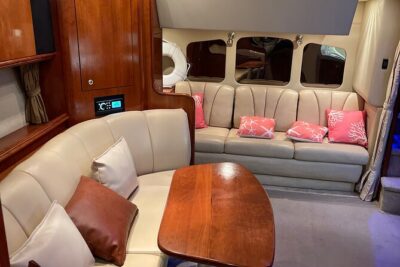
Inside, the boat is set up to let you stay warm without giving up the tour. You can look through the cabin while the narration continues, and then step outside when the skyline or bridge angle looks best.
Service is also part of the experience. You’ll have bar service and food selections available for purchase, plus restrooms onboard. Many people love that the complimentary drink keeps things easy—one less decision right at the start.
Two small reality checks from what you might experience:
- Windows can reduce photo clarity in some winter and wet-weather conditions. If you’re counting on sharp skyline photos, prioritize the open bow when you can.
- Conversation volume matters. This is a heavily narrated experience, and keeping chatter down helps the guide’s commentary land clearly.
The AIA narration: why this tour feels different from a generic harbor ride
This is not just a skyline cruise with a playlist. The narration is provided by an AIA member from the New York chapter, and that background shows up in how the guide explains what you’re looking at.
I like how the commentary stays tied to what’s physically in front of you: specific landmarks, building forms, and the surrounding waterfront context. It turns seeing into learning without turning the trip into a strict classroom.
From the guides’ names you may encounter—John, Jenny/Jennie, Ginny, and Doug—the common thread is clear and engaging delivery. In practical terms, you should expect the guide to move fast enough to cover a lot, but with enough clarity that you’re not lost if you’re not a NYC architecture nerd.
There’s also a Friday departure note: on select Fridays, the narration can focus on Climate Change, Resiliency, Sustainable Architecture, and the Future of NYC. If that theme matters to you, it’s worth checking with the operator before you choose a date.
Photo tips that save your time: open bow vs. cabin glass
If photography is part of your plan, treat this cruise like a two-location shoot: outside for the cleanest skyline views, inside for comfort.
Here’s the practical approach:
- Use the open bow when you want the best angle on bridges, towers, and the waterfront.
- Use the observation cabin when weather turns sharp, but accept that winter conditions can cause dirty or fogged windows that soften images.
- If you want consistent shots, keep your expectation realistic for rainy or very windy days. One clear sky can change everything.
Also, don’t underestimate how much angle matters. A building that looks flat from a sidewalk can show depth and shape from a moving boat. Watch for moments when the boat turns slightly—those turns often create your best frames.
Who should book this cruise, and who should skip it
This works best for people who want architecture context without museum pacing. If you enjoy history and design, you’ll probably love it. If you’re mostly looking for a relaxing harbor ride with minimal talking, you might find the heavy narration a lot.
A big suitability note: it’s not for children under 12. The cruise is heavily narrated and designed to keep attention on the tour. If you’re traveling with younger kids, you’ll likely prefer a different style of cruise that is less lecture-heavy.
Seating choices matter if you have mobility needs. One booking experience described trouble when a guest had a locked brace and ended up seated in a way that made moving around the aisle harder. If you need a specific setup for mobility, it’s smart to contact the operator in advance and ask for the best seating arrangement for your situation.
Finally, if you love asking questions, keep in mind it’s a group narration format. The operator asks that conversation stay reasonable so everyone can hear the guide.
Should you book the Manhattan Architecture Yacht Cruise?
If you want a smart, guided way to see Manhattan from the water—Financial District up through midtown icons, past bridges, and toward the northern skyline—this is a strong pick. The combination of AIA-led narration, assigned seating, and a complimentary drink is good value for NYC, especially when you want to avoid crowds on land.
Book it if:
- You like architecture and want it explained while you see it
- You want bridge views and waterfront angles you can’t easily replicate from streets
- You’ll use the open bow when weather allows
Consider skipping (or choosing another kind of cruise) if:
- You’re traveling with kids under 12
- You hate guided talking and prefer silent sightseeing
- You’re expecting perfect photos through cabin glass in rain or freezing wind
If you’re choosing one NYC “big picture” view to pair with your walking days, this cruise gives you that wide-angle understanding fast—and it does it with less stress than standing in lines.
FAQ
How long is the Manhattan Architecture Yacht Cruise?
It runs about 2 hours 45 minutes.
Where does the cruise start and end?
It starts at Classic Harbor Line, 62 Chelsea Piers, Pier 62 in New York City, and ends back at the starting point.
What’s included in the ticket price?
The ticket includes AIA member narration, assigned tables (private section seating or communal seating), and one complimentary beverage (beer, wine, or soft drink).
Is food included?
No. Food selections are available for purchase onboard.
Does the cruise circle all of Manhattan?
A full circumnavigation is not guaranteed. Rarely, river conditions like an inoperable Spuyten Duyvil train bridge or other river closures can affect the route, and there are no refunds for tours that cannot fully circumnavigate. The operator says they’ll accommodate with a modified route.
What sights are you likely to see from the boat?
You’ll pass landmark areas and get photo opportunities for major sights such as the Statue of Liberty, One World Trade Center, the Chrysler Building, and views of the island and waterfront along the East River. The cruise also includes passing under all 18 bridges that connect Manhattan to surrounding areas.
Are there open-deck and indoor viewing areas?
Yes. You can view from the observation cabin or the open bow, depending on your comfort and the photo you’re trying to get.
Can I bring an animal?
Service animals are allowed. Emotional support animals and pets are not permitted.
Is the tour good for children?
It’s not recommended for children under 12 due to the heavily narrated format.
What’s the cancellation policy and what happens with bad weather?
You can cancel for a full refund up to 24 hours before the experience start time. The experience requires good weather; if it’s canceled due to poor weather, you’ll be offered another date or a full refund.